


In a desperate attempt to find affordable, effective next-generation anti-obesity drugs, some people are resorting to a potentially dangerous method: making semaglutide (Ozempic, Vegovi) or telatopeptide (Munjaro) at home.
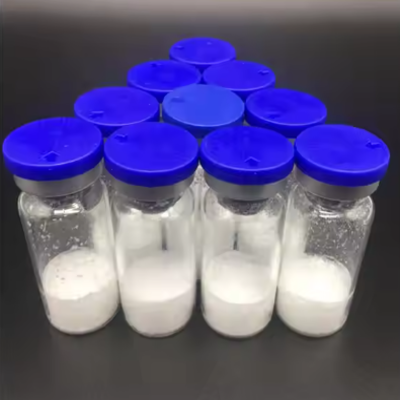
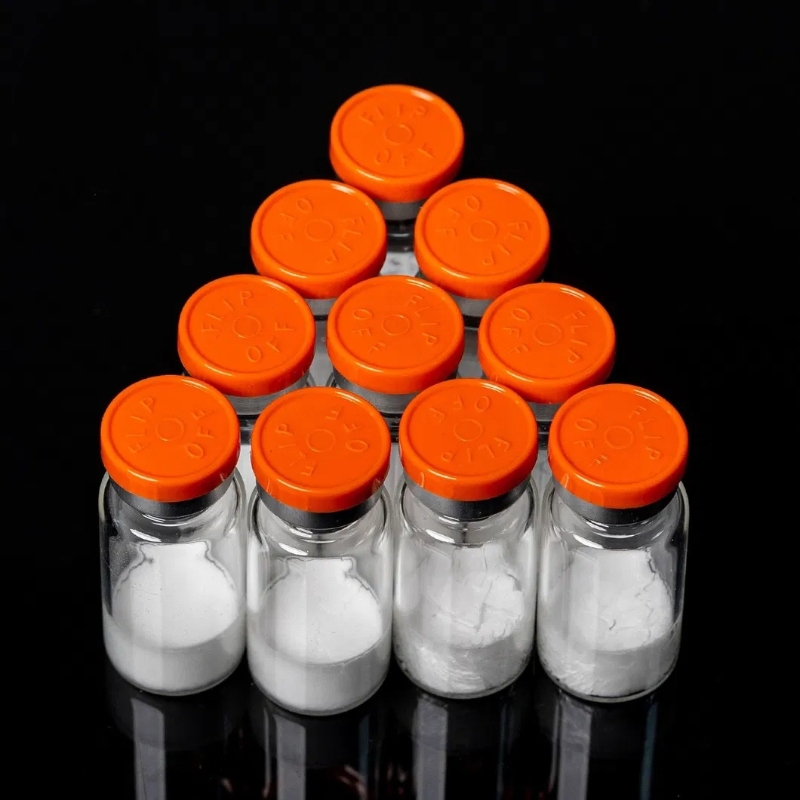
Homebrewers can purchase pharmaceutical raw materials online without a prescription, often of unknown origin and safety. Despite warning labels like “For Research Use Only” or “Not for Human Use,” this doesn’t stop people like 58-year-old Carlos Alvarez, who runs an online forum dedicated to finding the source of tezappetide (the active ingredient in the popular drug Mongalo). From his home in Phoenix, Arizona, Alvarez dissolves lyophilized tezappetide powder in sterile water to create a solution, which he then injects subcutaneously.
Alvarez, who suffers from prediabetes, is frustrated that his insurance company is refusing to reimburse him for Munjaro, a drug he believes effectively lowers his blood sugar. He says the price is “outrageous.” He doesn’t want to “depend on the healthcare system because I feel like they can’t help me… so I’ve decided to rely solely on myself. That’s just the kind of person I am anyway.”
”Making these kinds of medications in your own kitchen is unsafe, absolutely unsafe,” said Dr. Stephanie Young Moss, a pharmacist and healthcare consultant. She acknowledged the “urgent need” for such a revolutionary anti-obesity drug but expressed skepticism about any supplier selling medications labeled “for research use only” directly to consumers.
”Who runs this site? Where do they get this medicine? Is it the right dosage form? Is it pure? Is it sterile?”
The U.S. Food and Drug Administration (FDA) has also warned consumers seeking weight loss to exercise caution regarding the practice.
In a statement, the U.S. Food and Drug Administration (FDA) said: “Peptide drugs marketed as ‘for investigational use’… pose significant risks to patients because they have not been reviewed by the FDA before marketing, their safety, effectiveness, or quality cannot be guaranteed, and they are available without a prescription or under the supervision of a healthcare professional.”
Scott Bruner, CEO of the American Alliance for Compounding, stated that preparing such medications at home carries significant risks. “The clear advice for anyone buying research-grade semaglutide (or any medication claiming to be semaglutide—how do they know it’s semaglutide?) online without a prescription and self-medicating is: DON’T.”
Thanks to active social media advertising, demand for semaglutide and telapatide has skyrocketed, leading to supply shortages despite their high prices. At the time of writing, most pharmacies charge over $1,000 per month for a prescription for Munjaro, and insurance coverage is difficult to obtain, especially for non-diabetic patients. The high price and unstable supply have forced some users to purchase the medications through various channels, including online pharmacies that legally dispense generic versions of common medications. In late May, the U.S. Food and Drug Administration (FDA) warned consumers about the dangers of using over-the-counter semaglutide, as the FDA has not evaluated its safety and effectiveness.
DIY enthusiasts have gone even further, starting to make their own drugs.
The process of preparing injections at home begins with lyophilized smeglutide or tesapeptide—the powdered active pharmaceutical ingredients (APIs) used in Ozempic or Munjaro. “Do-it-yourself” pharmacists use insulin syringes and sterile glass vials to mix the powdered active ingredient with a specially formulated antibacterial solution designed to inhibit bacterial growth. The result is a liquid solution that is reportedly as effective as brand-name medications and can then be administered subcutaneously. Instructions for preparing these homemade injections can be found on TikTok, YouTube, and other online platforms.
As this practice grew in popularity, new online communities emerged where users shared their experiences searching for powdered pharmaceutical ingredients known as “peptides.” Some community members worried about the safety or efficacy of the peptides offered by suppliers, or even outright fraud. Others feared that reputable suppliers would become too popular, leading to shortages or legal disputes. Some even claimed that the most reliable peptide suppliers had no websites at all, only email addresses exchanged between users.
It’s difficult to estimate the scale of DIY recombination, but Facebook groups and subforums devoted primarily to the use of smeglutinin and theilapatide can have hundreds of members, and there are also numerous discussions on larger forums that are more broadly devoted to the use of peptides or combination drugs for weight loss.
Alvarez moderates one of these forums and also makes YouTube videos demonstrating the preparation process. Alvarez has no formal training in pharmacology—he’s simply an enthusiastic amateur: “You could say I jumped into this field like a skydiver without a parachute.”
Alvarez used several different sources of Tirasitax powder, including a Chinese supplier who provided him with large quantities at low prices. He claimed that Tirasitax—which he alternated with the official Mounjaro product and his own formula—had “extraordinary, life-changing, and astonishing effects,” including rapid weight loss, improved blood sugar levels, improved sleep quality, and reduced alcohol cravings.
Semaglutide and telapaid, originally developed to treat hyperglycemia in type 2 diabetes, are now widely considered the most effective weight loss medications. In a clinical trial of semaglutide in adults without diabetes, an average weight loss of 14.9% was observed. Another study in non-diabetic individuals taking telapaid achieved even greater weight loss: in the highest dose group, the average weight loss was 20.9%.
While Alvarez acknowledged the risks of injecting drugs of unknown origin, he argued that the alternative—stopping the diet pills, regaining the weight, and experiencing a sharp rise in blood sugar—was far more dangerous. “I believe my prediabetes far outweighs the potential risks, and that conclusion is well founded.”
Of course, the preparation and dispensing of medications must be carried out by trained and certified professionals for many reasons. Ian Moss illustrated the dangers of contaminated medications by citing a 2018 incident in which a pharmacist dispensing medications ignored standard safety procedures, resulting in 793 patients contracting fungal meningitis, 64 of whom died.
Some of the infrastructure for selling peptide drugs on the gray market existed long before the #ozempic hashtag went viral, primarily for the distribution of another type of drug: growth hormone peptides and other stimulants. For years, bodybuilders and exercise enthusiasts have used insulin injections and antibacterial solutions to prepare and administer these drugs themselves. Additionally, some people use peptide drugs for skincare or sexual health.
While the U.S. Food and Drug Administration (FDA) declined to comment on the legality of the sale or use of peptides for weight loss, the agency has taken legal action against suppliers in the past. For example, in 2016, the owner of Precision Peptides was sentenced to house arrest and had over $2 million confiscated for selling unapproved peptide products to bodybuilders. A press release from the U.S. Attorney’s Office stated that these peptide products were labeled as “for research/laboratory use only” “to avoid FDA review.”
Bruner said using such peptides from unknown and potentially unregulated manufacturers carries risks: “It’s very dangerous for patients to trust this substance and allow themselves to be injected with it.”
Even if the active ingredients are safe, preparing medications at home carries other risks. The manufacturers of Ozempic and Munjaro have developed standards to make dosing as simple and straightforward as possible: once a week, using a disposable pen. However, the calculations for preparing peptide medications are much more complex and require a high level of skill in converting between milligrams, milliliters, and insulin units. The risk of dosing errors can be significantly higher.
During his short-lived promotional campaign for Ozempic and Mounjaro, Alvarez witnessed some horrific and potentially dangerous mistakes on social media, including basic math errors that led to users overdosing. “I’ve seen a lot of people make a lot of mistakes,” he said. He hopes his comments and videos will help others use these medications safely.
While Alvarez’s actions may seem reckless, he shares the concerns of many experts that difficulties obtaining semaglutide and tezapat will only exacerbate healthcare inequities. These drugs could offer transformative health benefits—Alvarez believes “life-changing” is an understatement—but their prohibitive cost, coupled with insurance companies’ reluctance to cover them, could limit access to these treatments to only wealthy Americans.
”I think these alternatives offer a market-based solution to this problem,” Alvarez said. “I think consumer anarchy could force us to change the pricing of these drugs.”
For cautious patients, avoiding self-medication with weight-loss drugs seems obvious, but the line between reliable and untrustworthy providers is becoming increasingly blurred. The huge demand (and supply shortage) for weight-loss drugs like Ozempic, Munjaro, and Vegovi has led to a surge in the number of clinics and telemedicine providers offering them, making it difficult to determine which providers truly prioritize patient well-being.
In a statement to Everyday Health, Novo Nordisk said it “will not supply semaglutide to companies that market products to patients solely for research purposes,” adding that such practices “expose patients to potentially unsafe products.”
The National Association of Boards of Pharmacy (NABP) has published a “Not Recommended” list, which includes thousands of websites suspected of selling “fraudulent and unsafe” medications. NABP verifies that these pharmacies have all required licenses, comply with all applicable laws, and accept only valid prescriptions. If you have any doubts about a supplier’s reliability, it’s best to compare any online drug supplier against this list, but please note that this list is not exhaustive.
”Do not purchase any substance online that claims to be semaglutide unless you have a valid prescription from a licensed physician and can verify that the seller is a licensed U.S. pharmacy.”
Everyday Health’s “Rethinking Weight Loss” study surveyed 3,144 Americans aged 18 and older who had been trying to lose weight in the past six months. The survey was conducted from July 10 to August 18, 2023, and covered a variety of demographic groups, genders, and health statuses. Participants were recruited through an online portal, an app, and email. The sample size of 3,144 participants has a margin of error of +/- 1.7% at the 95% confidence level.
Dr. Sean Hashmi is an experienced nephrologist and obesity specialist based in Southern California. He also serves as the regional director of clinical nutrition and weight management…
Ross Warren joined Everyday Health in 2021 as a senior editor, specializing in diabetes, obesity, heart health, and metabolic health. He previously spent more than a decade at the organization…
Post time: Oct-10-2026